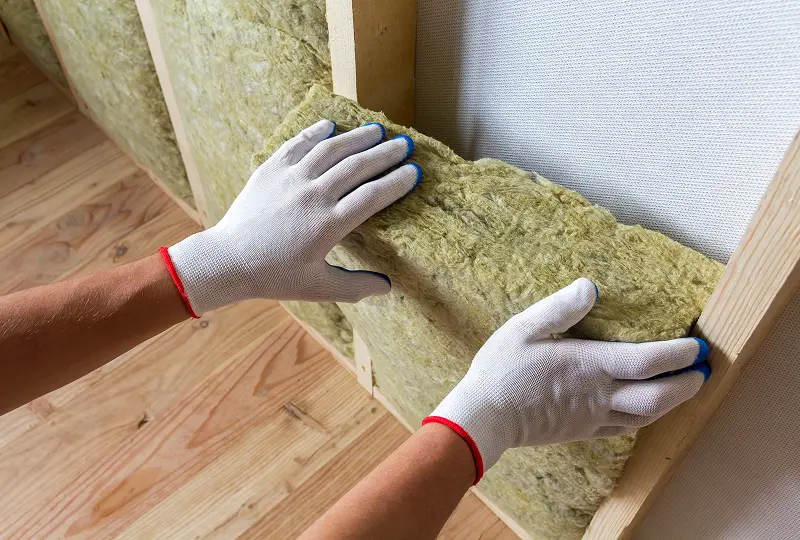
Maximizing Energy Efficiency With Eco-Friendly Insulation
The Bay Area’s diverse microclimates demand specialized building strategies to ensure comfort and efficiency. Eco-friendly insulation offers a solution by keeping homes comfortable year-round, lowering utility bills, and reducing environmental impact. The right insulation can make a significant difference, especially in areas with temperature extremes, moisture issues, and fluctuating humidity.
Understanding Eco-Friendly Insulation and Its Benefits
Eco-friendly insulation uses sustainable materials, such as plant-based fibers and recycled content, to replace conventional petrochemical foams. This helps reduce heating and cooling costs by trapping conditioned air within the home. These materials also promote healthier indoor air quality, with low-toxicity binders and natural fibers.
- Environmental Impact: The California Energy Commission projects the 2025 Building Energy Code will cut greenhouse gas emissions by 4 million metric tons and save $4.8 billion in energy costs over three years.
- Health Benefits: Many eco-friendly options are free from formaldehyde and other harmful chemicals, which makes them safer for occupants.
A well-insulated home can stay warm in winter and cool in summer without over-relying on heating and cooling systems, ultimately reducing energy consumption and costs.
Navigating the Unique Climate Challenges of the Bay Area
The Bay Area’s microclimates are as diverse as the cities themselves. From the cool, foggy coastal areas like Daly City to the dry, hot conditions of Walnut Creek, each region presents unique challenges for insulation.
For instance:
- Coastal Areas: A Victorian home near Ocean Beach may need dense-pack cellulose insulation to combat moisture and preserve thermal efficiency.
- Hotter Regions: Homes in areas like San Jose benefit from radiant-barrier roof decking, which reflects the harsh summer sun and prevents excessive heat gain.
These climate-specific needs require careful analysis and tailored insulation solutions, ensuring optimal performance in real-world conditions.
The Role of Thermal Imaging and Inspections
Thermal imaging plays a crucial role in identifying hidden insulation issues that are otherwise invisible to the naked eye. By converting temperature differences into vivid color maps, thermal cameras highlight problem areas like missing attic insulation or drafts from crawl spaces.
- Benefits: Thermal imaging allows for targeted solutions rather than blanket fixes, ensuring that homeowners address the specific areas that need improvement. Post-installation imaging also confirms that the work has been done correctly, offering visual proof of the insulation’s effectiveness.
Choosing the Right Sustainable Materials for Insulation
Not all eco-friendly materials are the same, and selecting the right option depends on the project’s needs. Here’s a quick guide to the materials frequently used in Bay Area homes:
| Material | Primary Resource | Key Benefit | Ideal Use | VOC Level |
| Recycled Cellulose | Post-consumer paper | High R-value, pest-resistant | Attics, walls | Low |
| Cotton Denim | Upcycled jeans | Superior sound damping | Interior partitions | Ultra-low |
| Sheep Wool | Renewable fiber | Regulates humidity naturally | Older homes | Zero |
| Cork Panels | Harvested bark | Fire-resistant, carbon-negative | Exterior continuous insulation | Low |
| Aerogel Blanket | Silica-based matrix | Extreme performance, thin | Tight retrofits | Low |
Each material offers distinct advantages based on the home’s structure and the environmental factors it faces.
Craftsmanship That Counts
Effective insulation goes beyond just the materials—it’s about the installation. Our team ensures that insulation is:
- Densely packed to manufacturer-specified densities for maximum R-value.
- Carefully installed with sealed air barriers to prevent heat loss and air movement.
- Tested with blower-door testing to verify that performance goals are met.
This thorough approach often leads to 10-25% greater energy savings than code-compliant installations, significantly improving comfort and lowering monthly bills.
Realizing Energy Savings and Environmental Impact Reduction
Eco-friendly insulation delivers both immediate and long-term savings. For example:
- A 1,900-square-foot Berkeley Craftsman home saw a 32% reduction in annual gas use and an 18% decrease in electricity consumption after switching to recycled cellulose insulation and sealing attic bypasses.
- Over the course of ten years, the homeowner saved approximately $9,400 and avoided 22 metric tons of CO₂ emissions—equivalent to planting 360 trees.
Additionally, commercial buildings in the region benefit from eco-friendly insulation:
- A Fremont warehouse added cork panels and radiant-barrier roof insulation, reducing peak summer interior temperatures by 15°F, downsizing HVAC systems, and meeting electric-ready standards for 2025.
Practical Tips to Maximize Value
To get the most out of your eco-friendly insulation, consider these practical tips:
- Schedule insulation before installing solar panels: Smaller energy loads mean more affordable solar arrays.
- Pair insulation with smart thermostats: Fine-tune energy usage for maximum efficiency.
- Keep documentation: Insulation reports can simplify rebate claims.
- Plan for heat pump adoption: A well-insulated home will allow heat pumps to perform at their best.
Frequently Asked Questions
Q: Will eco-friendly insulation attract pests?
A: Recycled cellulose contains borate, a mineral that naturally repels insects and rodents.
Q: How long does an attic retrofit take?
A: Most Bay Area homes can be completed in a single day, including removal of old materials and cleanup.
Q: Are sustainable materials more expensive?
A: While the upfront costs are typically 5-15% higher, the energy savings typically pay back the investment within three to five years.
Key Takeaways
- Eco-friendly insulation is essential for improving energy efficiency and creating a healthier living environment.
- Tailoring insulation to specific microclimates and utilizing thermal imaging ensures optimal performance.
- Proper installation and skilled craftsmanship ensure long-term savings and maximize the benefits of eco-friendly materials.
Ready to enjoy year-round comfort and make a meaningful impact on the environment? Reach out today to get started on your eco-friendly insulation project.